
The 7 Chakras Explained: Meaning, Balance & How to Work With Your Energy Centers
Have you ever felt like you were stuck in fear, struggling to express yourself, or disconnected from your intuition?
In yogic philosophy, these experiences are often understood through the chakra system, an ancient framework that describes seven primary energy centers believed to influence our physical, emotional, and spiritual wellbeing.
Whether you're completely new to chakras or looking to deepen your understanding, this guide will walk you through each chakra, its meaning, common signs of imbalance, and simple practices you can explore to cultivate greater balance in your life.
What Are Chakras?
The word chakra comes from the Sanskrit word meaning "wheel." In many yogic traditions, chakras are described as spinning energy centers that correspond to different aspects of our lives.
While chakras are part of spiritual traditions rather than concepts established by modern science, many people find them to be a helpful framework for self-reflection and personal growth.
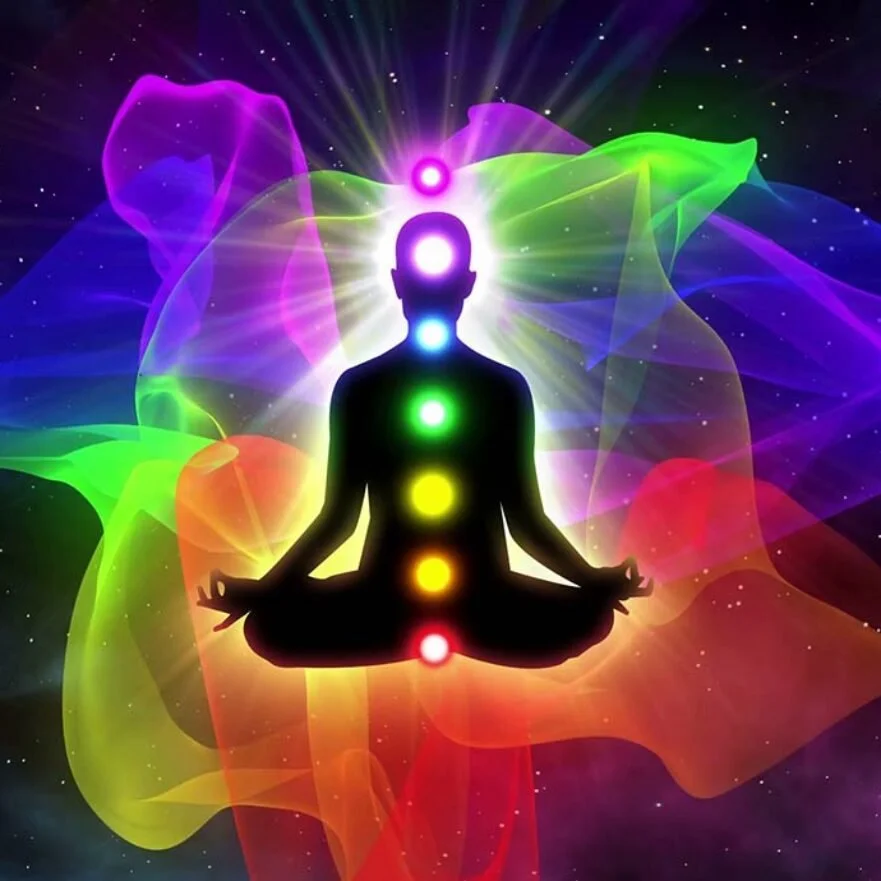
The seven primary chakras run from the base of the spine to the crown of the head.
1. Root Chakra (Muladhara)
📍 Location: Base of the spine
Theme: Safety, security, stability, belonging
When you feel grounded, safe, and connected to your body, many traditions associate this with a balanced Root Chakra.
Common signs you may want to nurture this area include feeling overwhelmed, disconnected, or lacking a sense of stability.
Practices
Walking barefoot on the earth
Spending time in nature
Gentle yoga
Meditation
Building healthy daily routines
2. Sacral Chakra (Svadhisthana)
📍 Location: Lower abdomen
Theme: Creativity, pleasure, emotions, relationships
This chakra is associated with emotional flow and creative expression.
When balanced, you may feel inspired, emotionally open, and connected to joy.
Practices
Dance
Creative hobbies
Journaling
Hip-opening yoga
Spending time near water
3. Solar Plexus Chakra (Manipura)
📍 Location: Upper abdomen
Theme: Confidence, personal power, self-esteem
The Solar Plexus represents your relationship with confidence and personal choice.
Many people work with this chakra when building self-trust or stepping into leadership.
Practices
Breathwork
Core-strengthening yoga
Setting healthy boundaries
Celebrating small wins
4. Heart Chakra (Anahata)
📍 Location: Centre of the chest
Theme: Love, compassion, forgiveness
The Heart Chakra bridges the lower and upper chakras.
It is associated with both giving and receiving love.
Working with the heart often begins with practicing compassion toward yourself.
Practices
Gratitude
Loving-kindness meditation
Heart-opening yoga
Time with loved ones
5. Throat Chakra (Vishuddha)
📍 Location: Throat
Theme: Communication, authenticity, truth
The Throat Chakra relates to expressing yourself honestly and listening with presence.
Practices
Singing
Journaling
Honest conversations
Mindful communication
6. Third Eye Chakra (Ajna)
📍 Location: Between the eyebrows
Theme: Intuition, insight, wisdom
Often called the Third Eye, this chakra is associated with inner awareness and perception.
Rather than seeking extraordinary experiences, many people focus on developing presence, discernment, and self-trust.
Practices
Meditation
Mindfulness
Quiet reflection
Reiki
Breathwork
(If you're curious about this chakra, be sure to read our guide on How to Open Your Third Eye.)
7. Crown Chakra (Sahasrara)
📍 Location: Top of the head
Theme: Connection, spirituality, unity
The Crown Chakra is associated with our connection to something greater than ourselves, however we understand that.
For some, this may be nature.
For others, it may be meditation, prayer, or simply a deep sense of presence.
Practices
Meditation
Silence
Gratitude
Spending time outdoors
Spiritual study
Are Your Chakras Ever Perfectly Balanced?
Probably not.
Life is constantly changing.
Rather than trying to achieve perfect balance, many people use the chakra system as a way to notice where they may need more attention, care, or compassion.
It's less about fixing yourself and more about becoming aware of what you need.
Can Reiki Help Support Chakra Work?
Many Reiki practitioners choose to incorporate the chakra system into their practice.
During a Reiki session, some practitioners may place their hands over areas traditionally associated with the chakras, while others simply allow the session to unfold naturally.
Many clients describe leaving a Reiki session feeling more relaxed, centred, and connected to themselves.
Everyone's experience is different, and Reiki is best approached with openness rather than expectation.
Final Thoughts
The chakra system offers a beautiful map for self-exploration.
Whether you're working on confidence, communication, intuition, or cultivating more compassion, these teachings invite you to slow down and reconnect with yourself.
You don't need to master every chakra overnight.
Growth happens through small, consistent practices that help you become more present in your daily life.
If you're interested in exploring energy work more deeply, Reiki can be a meaningful complement to your journey. At Spirit Alchemy Collective, our Reiki trainings introduce students to both traditional Reiki practices and the chakra system in a grounded, supportive environment.